

An F1 team is made up of a lot more people than you might think. While the drivers, engineers, and pit crew might be the most familiar faces, they’re only part of the entire picture. Beyond that sea of team kits moving around the paddock each weekend are thousands of people whose work helps make every Grand Prix possible. It’s only when you look beyond what happens on track that you start to appreciate just how much goes into Formula 1.
Just imagine the amount of equipment that needs to be transported, the food that needs to be prepared, and the planning required to bring everyone together across a global race calendar. And that’s only within the teams. There are also the people working for the FIA, brand partners and the media, all with their own important roles to play throughout a race weekend.
These are just a few of the many people who work behind the scenes to keep Formula 1 running.

Logistics and Freight Coordinators
When you think of Formula 1, logistics probably isn’t the first thing that comes to mind. Yet, with races taking place across multiple continents, getting everything a team needs to the circuit on time is a huge operation in itself. If you’ve ever been in the paddock, you’ll know just how busy it gets. Everything you see has to get there somehow. From the cars and spare parts to garage equipment and hospitality setups, thousands of individual items are transported from race to race each week. Once they arrive, everything needs to be unloaded and set up, only to be packed away again when the weekend is over.
Logistics and freight coordinators are responsible for organising these movements between race locations. That means coordinating different forms of transport, including trucks for European races, cargo planes for time-sensitive equipment, and sea freight for supplies that can be shipped well in advance. International races add another layer of complexity, with customs paperwork, shipping schedules, and tight deadlines to manage.
Keeping everything on schedule requires constant communication with freight companies, transport drivers, customs officials, and other departments within the team. And even with careful planning, unexpected delays can mean making quick decisions and putting backup plans into action.
Data Scientists
Formula 1 is a sport of marginal gains. A fraction of a second can mean gaining a position or winding the race so teams are always looking for ways to improve. Some of those improvements come from the drivers’ feedback or from those on the pit wall. Others start with data. Modern F1 cars collect huge amounts of information through sensors monitoring everything from tyre temperatures to engine performance. Data scientists work through that information to find patterns and help teams understand where they could be doing better. That work can involve analysing everything from a driver’s braking points to how the car performs through different corners. By comparing telemetry across laps, a data scientist can identify patterns in the car’s performance and help the team understand where improvements can be made.
Their work also plays a huge part in car development, allowing teams to use performance data to identify areas for improvement and make informed decisions about future upgrades.
Composites Technicians
An F1 car starts as a design, but someone has to turn that design into a part the team can actually use. That’s where composites technicians come in. Working with materials such as carbon fibre, they help build and repair everything from bodywork to aerodynamic components. Carbon fibre combines fibres with a binding resin to create a material that is both strong and lightweight. Depending on their role, composites technicians might prepare moulds, lay carbon fibre into them, and vacuum-bag components before they’re cured in an autoclave, a specialised oven. Once a part has hardened, it needs to be trimmed, finished, and inspected before it’s ready for use.
And the job doesn’t always stay at the factory. Some composites technicians travel to races, where they check parts for damage, carry out repairs, and help prepare updates for the car.
F1 Scrutineer: Making Sure the Cars Follow the Rules
Every car on the grid has to meet Formula 1’s technical regulations, and it’s the scrutineers’ job to make sure they do. While we’d hope every team follows the rules, that isn’t always the case. Working alongside the FIA’s technical officials, scrutineers inspect cars and equipment to check that they meet the sport’s requirements. This can involve measuring car dimensions, checking safety equipment, verifying tyre allocations, and examining components to ensure they comply with the regulations. Inspections can take place before, during, and after a race, with additional checks carried out when necessary.
The work can also have a direct impact on the outcome of a race. If a car is found to breach the technical regulations, the findings can be referred to the relevant FIA officials for further action, potentially resulting in penalties or disqualification.
General Counsel and Legal Teams
While F1 teams often rely on external law firms for legal representation, some also have in-house legal teams responsible for managing the business and legal side of the sport. From negotiating driver and sponsorship deals to protecting intellectual property and navigating FIA regulations, legal professionals help teams manage contracts, resolve disputes, and protect their interests both on and off the track.
Tyre Engineers
Tyres are one of the most important parts of an F1 car, and getting the most out of them involves far more than choosing between the soft, medium, and hard compounds. Tyre engineers analyse performance data, modelling engineers use simulations to predict how tyres will behave, and technicians monitor pressures and prepare tyres throughout the race weekend.
Once the cars hit the track, they monitor live telemetry and use practice sessions to compare their predictions with actual tyre performance. They also work with drivers and race engineers to determine how best to manage their tyres throughout qualifying and the race. Even a small difference in tyre temperature can affect grip and lap times, making their work crucial to a team's performance.
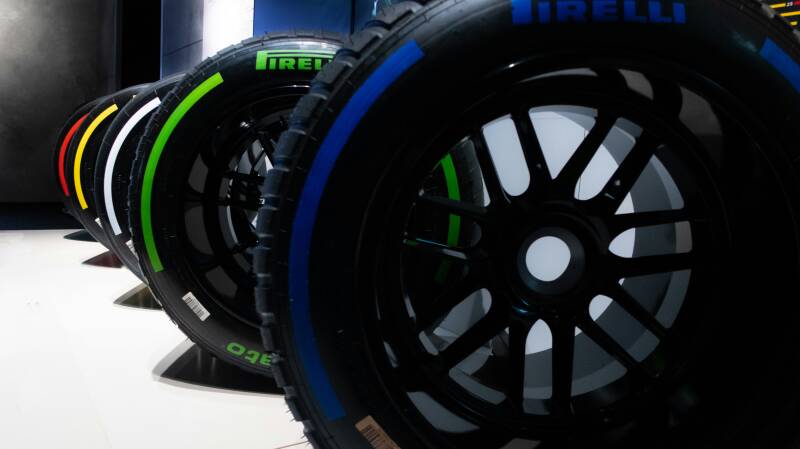

Furthermore, tyre technicians make sure the tyres are ready when the car needs them. They prepare and organise tyre sets, monitor pressures, and ensure tyres meet the required conditions throughout the race weekend. Using tyre pressure monitoring systems, they check that pressures stay above the minimum set by Pirelli. They also work with mechanics to ensure replacement sets are ready for pit stops. With multiple sets to manage across practice, qualifying, and the race, organisation and attention to detail are essential.
The next time you watch a Grand Prix, think about everything that happens before the lights go out. Equipment has been transported, parts have been built and inspected, contracts have been negotiated, and data has been analysed. These people may not get much screen time, but their work plays a role in every race weekend
